



In textile manufacturing, every centimeter of wasted fabric represents a direct hit to your profit margins. Traditionally, defects are often caught too late—frequently at the end of a production run or, worse, by the customer. However, the rise of AI-Powered Fabric Inspection is changing the game, allowing mills to minimize waste through early detection and precision data.
Catching Defects at the Source
Precision Grading with High-Speed Line Scan Cameras
Utilizing high-speed line scan cameras, the AI analyzes the fabric surface with microscopic detail. This high-resolution AI fabric detection allows the system to accurately grade the fabric. Instead of discarding a whole roll due to uncertainty, managers can use the digital defect map to harvest the maximum amount of "Grade A" fabric, significantly reducing unnecessary scrap.
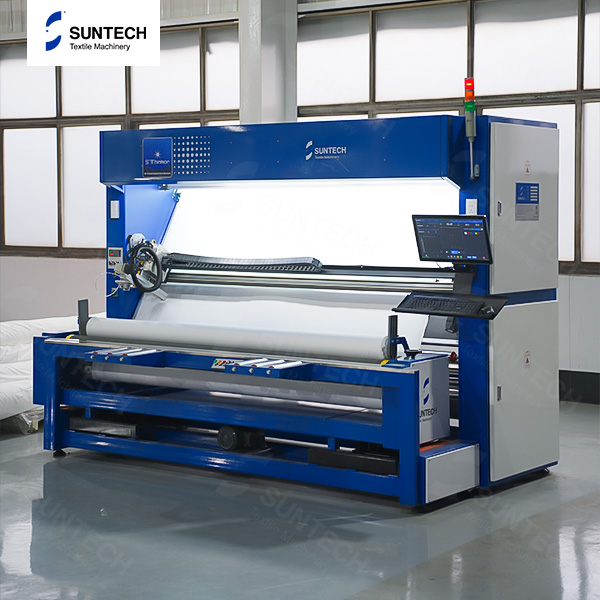
Optimizing the AI Fabric Inspection Cost through Efficiency
- Raw Material Savings: Less wasted fabric means you get more sellable product from the same amount of raw yarn.
-
Energy and Labor: Re-running a production line because of a quality failure doubles your energy and labor costs. Automated textile quality control ensures the job is done right the first time.
Data-Driven Process Improvement
- Immediate Intervention: Stops continuous defects before they ruin entire rolls.
- Accurate Cutting: Provides a precise map for cutting around defects to save usable fabric.
- Reduced Returns: Eliminates the waste associated with shipping, returning, and disposing of rejected goods.
-
Process Optimization: Uses AI data to fix mechanical issues on the production floor early.
Conclusion